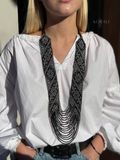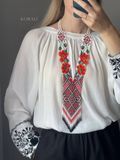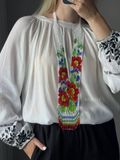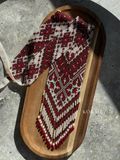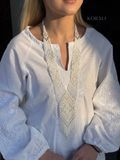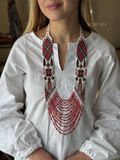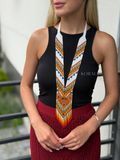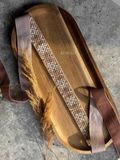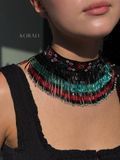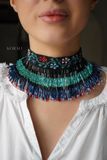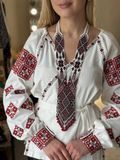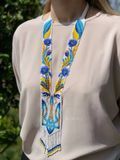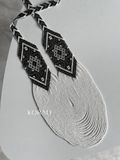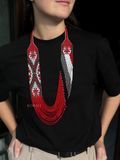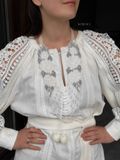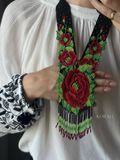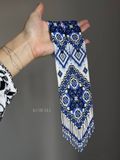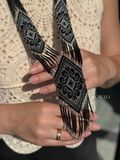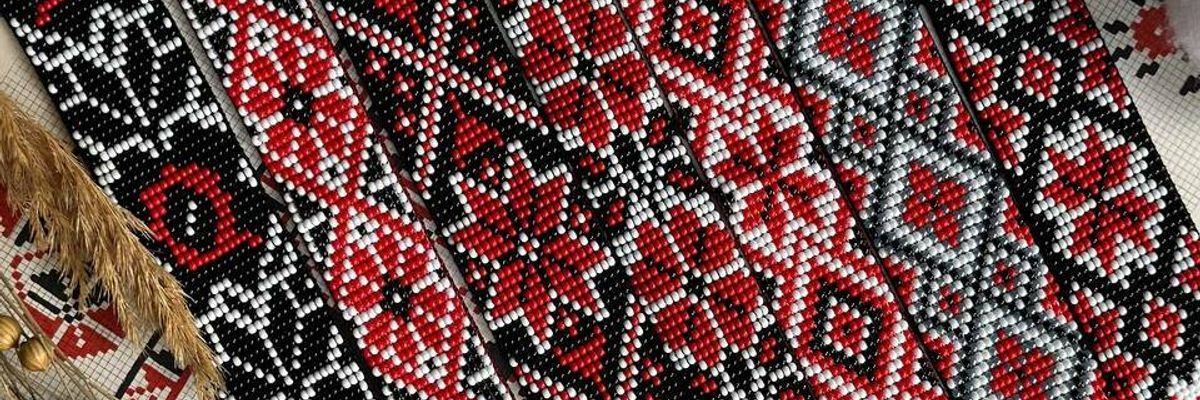
Herdany are not just jewelry; they are true masterpieces that embody centuries of history, craftsmanship, and the soul of the Ukrainian people. These beaded necklaces, renowned for their intricate detailing and deep symbolism, have long been an integral part of national culture, especially in Western Ukraine. In this article, we’ll dive into the world of herdany: exploring what they are, where they come from, their various types, how they’re made, and why they remain so popular today.
Origins of Herdany: From Antiquity to the Present
Herdany have deep roots in Ukrainian tradition, dating back at least to the 19th century, though mentions of beaded jewelry appear even earlier. Their history is closely tied to the spread of beadwork in Europe, when tiny glass beads began to be mass-imported from the Czech Republic, Venice, and Bohemia. In Ukraine, particularly in the Carpathians, Prykarpattia, and Podillia regions, these materials found new life in the hands of local artisans. Herdany became especially popular among the Hutsuls, Boykos, and Lemkos, where they were worn as everyday adornments and for special occasions like weddings, baptisms, or religious holidays.
Initially, herdany served more than a decorative purpose—they were imbued with sacred meaning. Each pattern carried symbolism: diamonds represented fertility and abundance, crosses offered protection from evil, zigzags depicted life’s journey or water, and triangles symbolized harmony. Color played a significant role too: red stood for strength, love, and energy; white for purity and spirituality; black for connection to the earth; and blue for the sky and tranquility. These adornments were often passed down through generations, becoming family heirlooms that preserved ancestral memories.
Over time, the techniques for crafting herdany evolved. In ancient times, they were hand-woven on threads or wire, but by the 20th century, simple looms appeared, making it easier to create complex patterns. Yet, even with technological advancements, herdany remained unique, as each artisan infused them with their own creative flair, preserving traditions while experimenting with shapes and colors.
How Herdany Are Made: The Art of Beadweaving
Crafting a herdan is a meticulous and creative process that demands patience, skill, and artistic vision. The primary material is beads—tiny glass pieces available in various sizes, shapes, and colors. These are strung onto strong thread, fine wire, or a special base to form the piece. Traditionally, herdany resemble a wide ribbon or flat fabric, much like a woven rug. Their width can vary from a few centimeters to much broader designs, depending on the artisan’s intent.
The process begins with preparation—selecting a pattern and materials. Artisans often use age-old designs handed down through families or create their own, inspired by nature (flowers, mountains, rivers), geometry, or folklore. The beads are then strung in a precise order to form the pattern, requiring exceptional accuracy since a single mistake can disrupt the symmetry or harmony of the design.
Once the main weaving is complete, the herdan is fitted with clasps—metal or beaded—or cords for comfortable wear. Some models are adorned with extra elements like tassels, large beads, metal pendants, or even small bells that add a subtle chime. All this makes each herdan a unique work of art, impossible to replicate exactly.
Varieties of Herdany: A Wealth of Forms and Styles
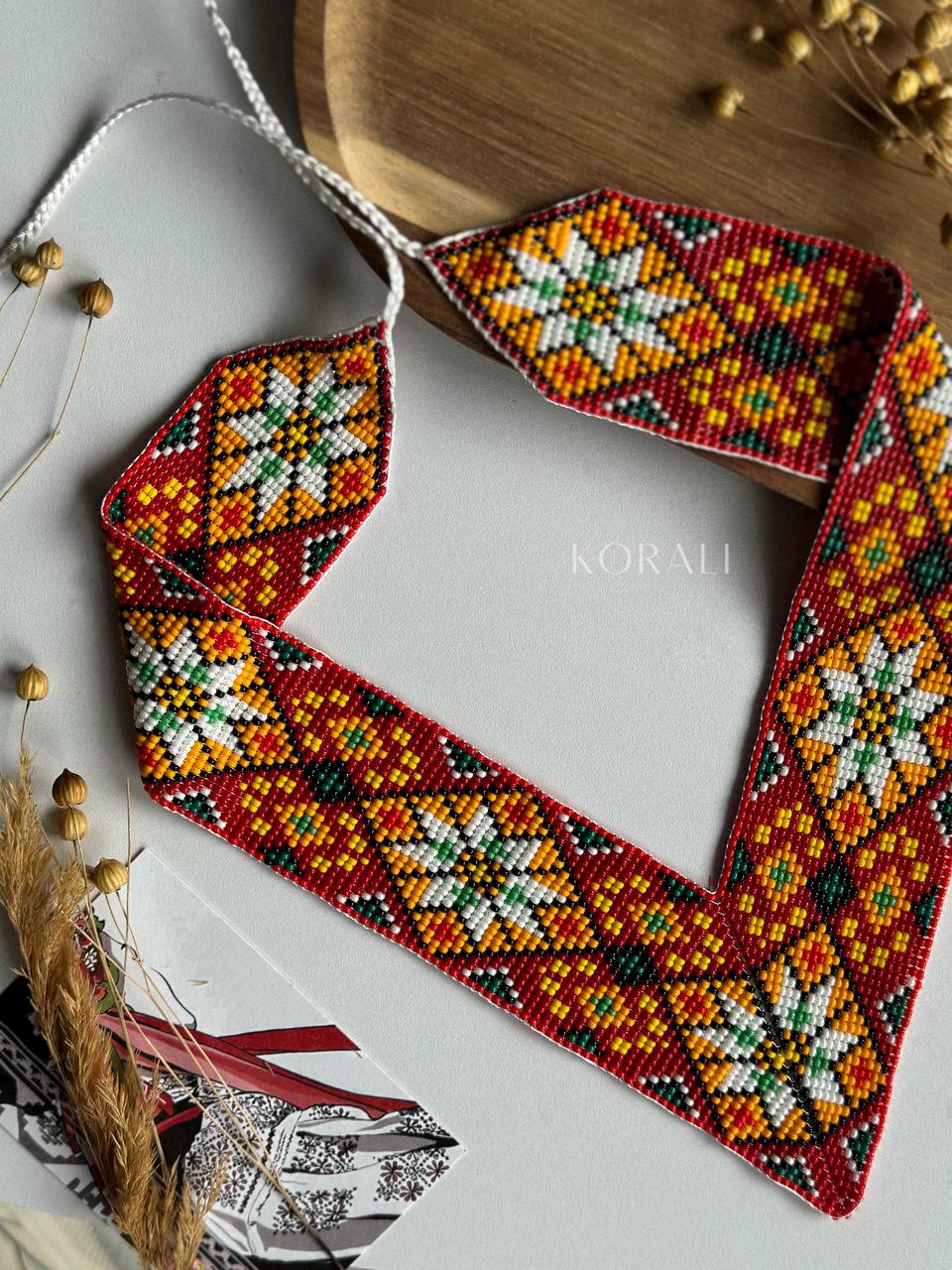 Herdany captivate with their diversity, offering something for everyone. Here are the main types found in both traditional and modern forms:
1. Ribbon Herdany – the most common type, shaped like a flat beaded ribbon. Worn as necklaces by wrapping around the neck once or multiple times, or as decorative elements on clothing—like over a shirt or vyshyvanka—they often feature geometric patterns (diamonds, zigzags, crosses) or floral designs reminiscent of Carpathian motifs.
2. Round Herdany – necklaces shaped as circles or ovals, often resembling medallions. Woven with a central element like a large bead, cross, or symbolic sign, these herdany appear more substantial and typically serve as a focal point in festive attire, such as for weddings or religious celebrations.
3. Asymmetrical Herdany – a modern take where the shape defies traditional symmetry. Artisans might add beaded “tails,” uneven edges, or mix textures like beads with wood or leather. Popular among younger generations, they fit perfectly into boho or ethnic styles.
4. Pendant Herdany – smaller pieces worn as pendants on a cord or chain. Shaped like diamonds, triangles, or stars, they’re often embellished with tassels or tiny beads. This delicate option suits everyday wear.
5. Combined Herdany – innovative designs blending beads with materials like wooden beads, metal, fabric, or ceramics. These pieces look contemporary yet retain a traditional essence, making them unique and appealing to those seeking novelty.
At our store korali.in.ua, you can explore all these varieties—from classic ribbon herdany with Hutsul patterns to modern asymmetrical models that blend seamlessly with urban fashion.
Herdany in the Modern World: From Tradition to Trends
Today, herdany are experiencing a true renaissance, gaining popularity not only in Ukraine but far beyond its borders. This resurgence is tied to a global trend favoring ethnic jewelry and handmade items, valued for their uniqueness and craftsmanship. Herdany are worn with vyshyvankas for national holidays, with dresses for parties, or even with jeans and t-shirts to craft a stylish boho or ethnic look. Their versatility makes them beloved accessories for women and girls of all ages.
Fashion designers have also taken note, incorporating herdany into their collections as a cultural statement. For instance, a herdan with a red-and-black pattern can be a striking accent to a monochrome outfit, while a soft white-and-green piece complements a romantic summer look. Thanks to their diverse shapes and styles, herdany adapt effortlessly to modern fashion while retaining their authenticity.
Their popularity is also due to their accessibility and practicality. At korali.in.ua, we offer a wide selection to suit any taste and budget—from simple models for beginners to intricate designer pieces for connoisseurs. Each herdan is handmade with quality beads, ensuring durability and comfort.
Why Choose a Herdan from Korali?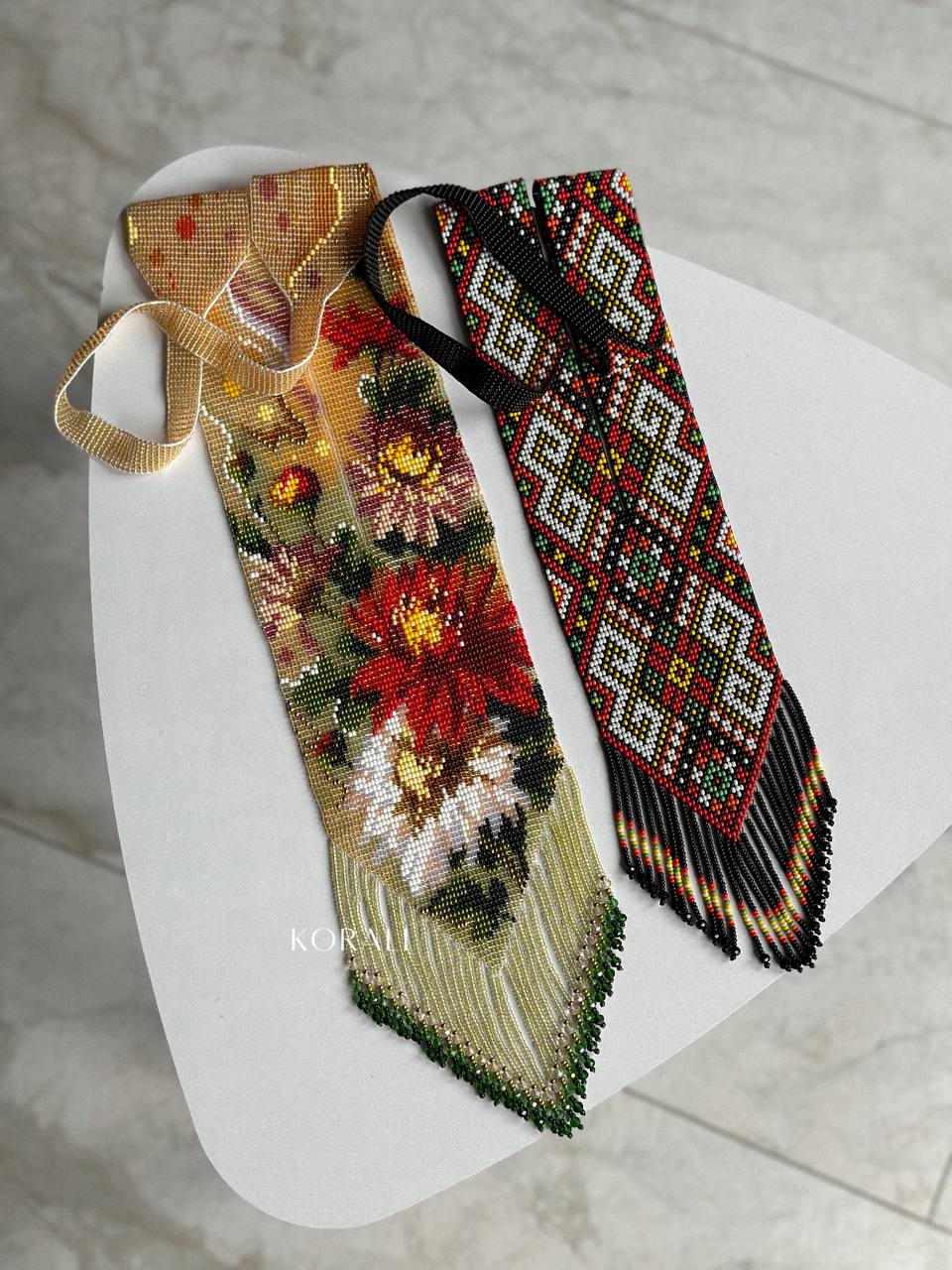
When you buy a herdan from us, you’re getting more than jewelry—you’re acquiring a piece of Ukrainian culture and art. Our items are the work of talented artisans who pour their hearts into every piece. At korali.in.ua, you’ll find everything from traditional Hutsul herdany with classic patterns to modern styles—round, asymmetrical, or combined—that dazzle with variety.
We prioritize convenience: ordering a herdan online is easy, with delivery available across Ukraine and worldwide. Want something exclusive? Our artisans can craft a custom herdan based on your design or preferences—a perfect way to make it personal or gift a memorable keepsake.
How to Care for Herdany?
To keep your herdan beautiful for years, follow a few simple rules. Store it in a dry place away from sunlight, in a special box or soft pouch, to avoid damaging the threads or beads. Keep it away from water, perfumes, or chemicals that could affect its color or structure. If it gets dirty, gently wipe it with a soft, dry cloth—that’s enough to restore its original look.
Herdany are more than just beaded necklaces. They’re a link to the past, an expression of your personality, and a love for beauty that spans generations. At korali.in.ua, we invite you to discover this world of beadwork art. Choose your herdan—ribbon, round, or asymmetrical—and let it become your talisman, adornment, or perfect gift for those you cherish!