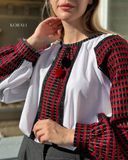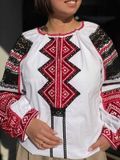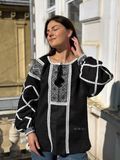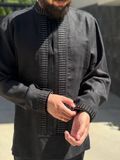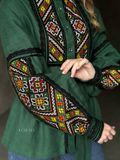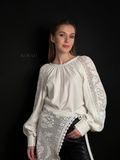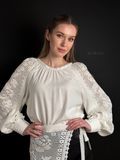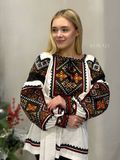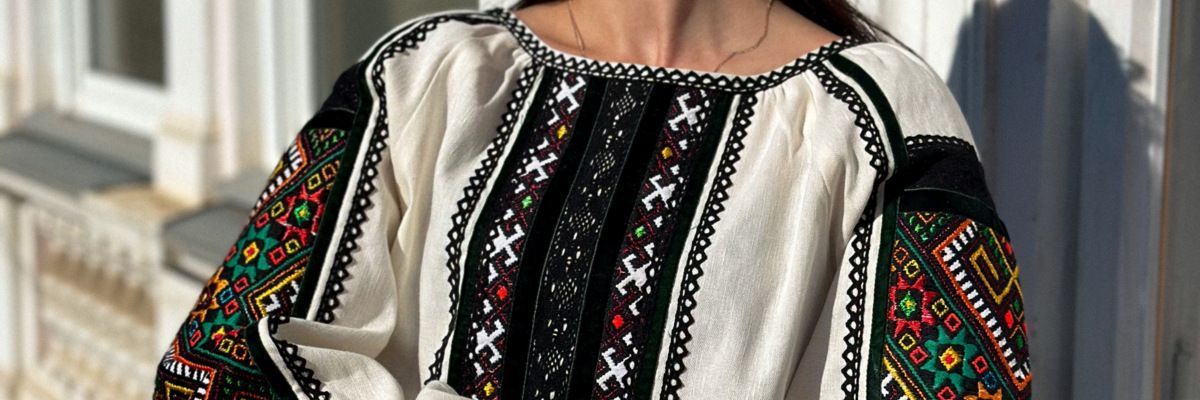
A vyshyvanka is not just a piece of clothing but a true symbol of the Ukrainian spirit, carrying centuries of history and tradition. In this article, we’ll explore the origins of vyshyvankas, their types, materials, colors, wearing traditions, and how to choose the perfect one or buy it at a great price. You’ll learn how to select an embroidered shirt for yourself, your family, or as a gift, as today not only classic models are popular but also pair vyshyvankas for couples, which have become a special trend.
History of Vyshyvankas
The roots of vyshyvankas date back to the 5th century BCE, when Scythians on the territory of modern Ukraine adorned their clothing with patterns. Archaeological finds from the 1st century CE confirm the use of embroidery in daily life. By the 17th century, vyshyvankas became part of cultural exchanges, and by the 19th century, they were recognized as national attire, reflecting social status and regional identity. After 2014, following the Revolution of Dignity, vyshyvankas gained global fame thanks to designers like Vita Kin, whose works appeared in Vogue and Harper's Bazaar. Vyshyvanka Day, celebrated on the third Thursday of May, unites Ukrainians worldwide and highlights the significance of this garment. Today, you can find vyshyvankas in any online vyshyvanka store, offering both traditional and modern designs.
Types of Vyshyvankas
Vyshyvankas vary by region, gender, age, and purpose:
- Regional Features: Each corner of Ukraine boasts unique patterns. Poltava is known for geometric motifs symbolizing protection, while Bukovyna features floral designs. Eastern regions favor narrative scenes, and western ones depict plants and animals.
- By Gender and Age: Men’s vyshyvankas have restrained patterns, women’s are more intricate, and children’s are bright and compact. Special elegant vyshyvankas are crafted for events like weddings or christenings.
- By Style: There are classic options like the white-on-white vyshyvanka, offering a delicate and refined look, as well as trendy vyshyvankas adapted to modern fashion.
| Region | Characteristic Patterns | Typical Colors |
|---|---|---|
| Poltava | Geometric (diamonds, squares) | Red, black |
| Eastern Ukraine | Narrative motifs, everyday scenes | Multicolored |
| Bukovyna | Floral, plant patterns | Red, white |
| Transcarpathia | Folk motifs with artistic elements | Blue, green |
How to Choose a Vyshyvanka
To buy the perfect vyshyvanka, consider these key aspects:
- Quality of Work: A handmade vyshyvanka features neat cross-stitches without knots on the inside. For quality and affordability, you can buy a vyshyvanka from the manufacturer, bypassing middlemen.
- Materials: Opt for linen or cotton—natural fabrics that are durable and comfortable. For special occasions, luxury vyshyvankas made of fine linen or silk are a popular choice.
- Colors and Symbolism: Pick a color based on mood or event. Red signifies joy, black represents wisdom. There are also designer vyshyvankas with unique color combinations.
- Purpose: For weddings or holidays, order a vyshyvanka 1–1.5 months in advance, especially if it’s a pair for newlyweds.
Choosing a vyshyvanka is not just about appearance—it’s about connecting with your heritage. Today, vyshyvankas are more accessible, and you can find them affordable if you know where to look.
Materials and Colors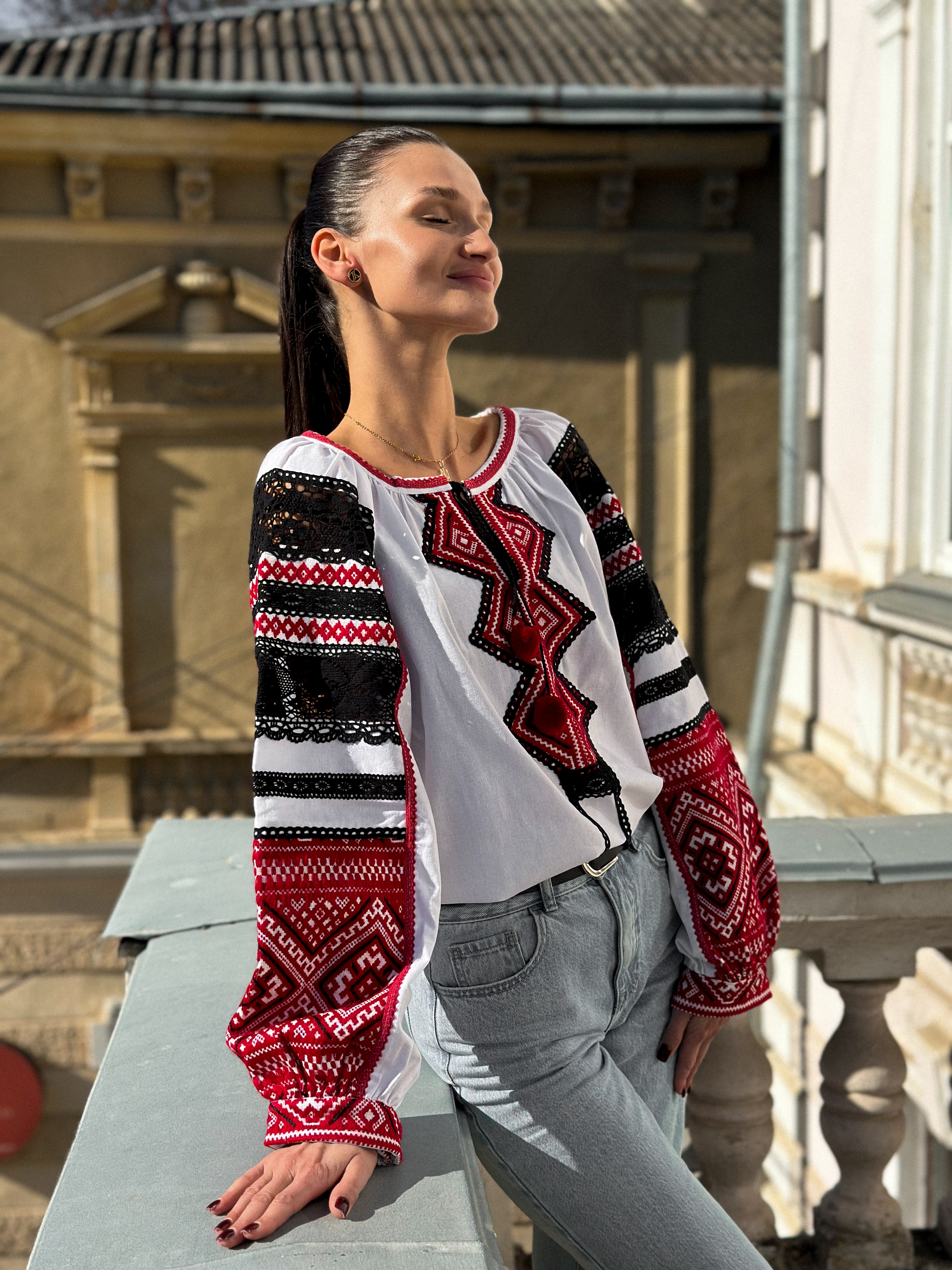
Traditional vyshyvankas are made from linen or cotton—breathable and skin-friendly fabrics. Embroidery is done with threads dyed using natural dyes from herbs, berries, or bark. In the past, craftswomen wove the fabric themselves, selecting the best fibers for durability and comfort. Modern technology speeds up production, but handmade pieces remain prized for their authenticity.
Colors carry deep meaning:
- Red — love, luck, life’s energy.
- Black — wisdom, protection, connection to the earth.
- White — purity, light, spirituality.
- Yellow — wealth, sun, prosperity.
- Blue — loyalty, calm, heavenly harmony.
- Green — renewal, life, nature.
Color palettes vary by region or purpose. For instance, Hutsul vyshyvankas often feature vibrant shades, while Polissya prefers muted tones.
Traditions and Modern Wear
In the past, vyshyvankas were worn for holidays—weddings, christenings, religious ceremonies. Wedding shirts were considered talismans and passed down through generations. Each pattern held meaning: diamonds symbolized fertility, crosses offered protection, and flowers represented beauty and youth. In the 20th century, vyshyvankas entered everyday wear, and after 2014, they became a symbol of unity and pride. Vyshyvanka Day has grown into a global event, with people worldwide donning these shirts to support Ukrainian culture.
Modern vyshyvankas adapt to today’s pace: they’re worn in offices, on walks, or at parties. Designers add fresh elements, creating pieces that align with global trends while preserving national essence.
How to Style Vyshyvankas
Vyshyvankas fit seamlessly into any style:
- For formal events: Pair with classic trousers or skirts, enhanced with accessories.
- For everyday wear: Combine with jeans, sneakers, or shorts for a stylish casual look.
- For special moments: Pair vyshyvankas are perfect for family photoshoots or romantic occasions.
This versatility makes vyshyvankas a wardrobe essential. You can pair them with traditional jewelry like beads or wreaths, or modern bags and shoes.
Where to Buy a Vyshyvanka and Its Price
To order a vyshyvanka cheap, visit korali.in.ua, where you’ll find options for every taste—from traditional to contemporary. The price depends on embroidery complexity, materials, and craftsmanship. Hand-embroidered pieces are pricier, but machine-made options are more budget-friendly. The site offers both affordable models and premium ones to suit any need. Check the catalog for details and to place your order.
Vyshyvankas are an investment in style and culture. They’re ideal for gifts, family celebrations, or simply to highlight your individuality. When choosing a vyshyvanka, you’re choosing a piece of Ukraine.
This guide will help you pick a vyshyvanka that enhances your style and ties you to Ukrainian heritage, whether you’re after something simple or lavish.