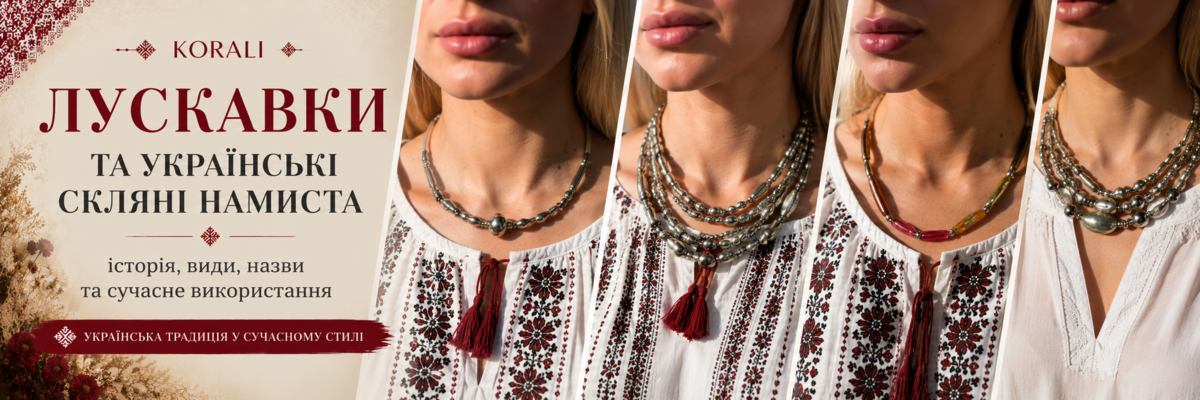
Ukraine has a rich tradition of handcrafted jewelry, where every ornament reflects regional culture, craftsmanship, and centuries of history. Among these traditional accessories, Luskavky stand out for their distinctive appearance, delicate glass beads, and elegant layered design. Although less widely known outside Ukraine, these necklaces represent an important part of the country's cultural heritage.
Throughout different regions of Ukraine, glass bead necklaces were known by several local names. Some referred to the material, others described the manufacturing technique or the appearance of the beads. Together, these ornaments became an essential element of women's festive attire and were often worn alongside coral necklaces, metal pendants, and embroidered clothing.
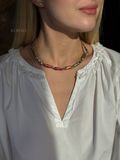
Today, Luskavky inspire contemporary jewelry designers who reinterpret traditional forms for modern fashion. Handmade glass necklaces combine Ukrainian heritage with timeless elegance, making them suitable for both traditional outfits and everyday wear.
What Are Luskavky?
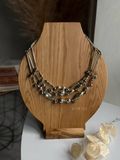
Luskavky are traditional Ukrainian necklaces made from glass beads, often featuring lightweight hollow beads that create an impressive appearance without excessive weight. Their layered construction, glossy finish, and vibrant colors made them one of the most recognizable types of traditional glass jewelry.
The beads could be round, oval, elongated, faceted, or decorative, depending on the period, region, and workshop where they were produced. Larger beads were frequently placed in the center of the necklace, gradually becoming smaller toward the ends to create a balanced composition.
The origin of the name Luskavky is commonly associated with the fragile nature of thin glass beads, which could easily crack if dropped or handled roughly. While this explanation is widely accepted, regional terminology varied across Ukraine, and different communities often used their own names for similar ornaments.
It is also important to understand that not every traditional Ukrainian glass necklace was called a Luskavka. The broader category of Ukrainian glass bead jewelry includes several forms and regional variations, each reflecting local traditions and artistic preferences.
Luskavky, Patsiorky and Other Traditional Names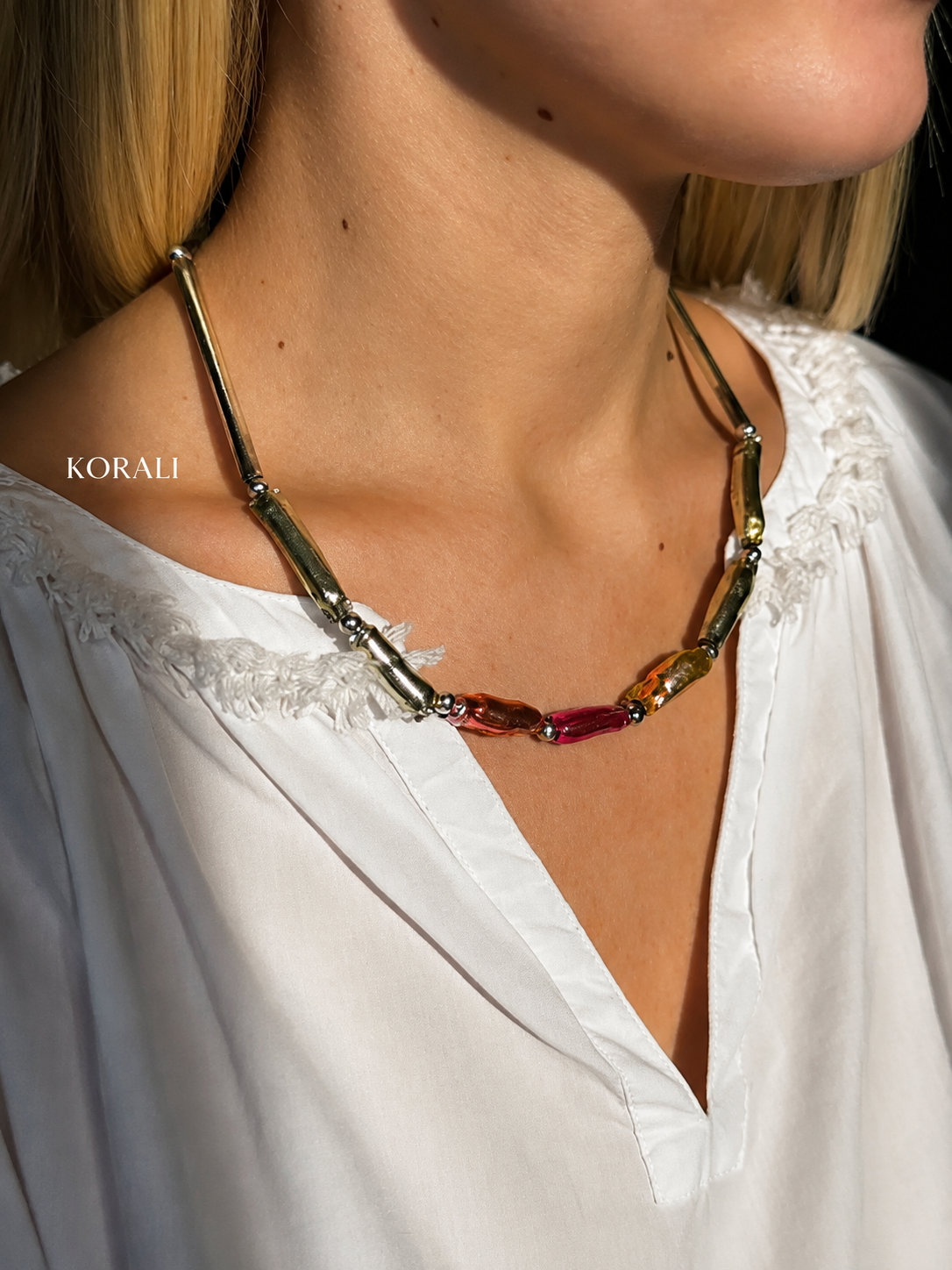
One fascinating aspect of Ukrainian traditional jewelry is its rich vocabulary. Similar necklaces were often known by different names depending on the region, local dialect, or manufacturing technique. Because of this, terms such as Luskavky, Patsiorky, Naduvantsi, and Svitliachky should not always be understood as completely separate types of jewelry.
What Are Patsiorky?
Patsiorky is one of the most common Ukrainian words for beads or bead necklaces. The term could refer to a wide variety of glass beads, including plain, faceted, painted, or decorative examples. In historical sources, beautifully decorated Venetian glass beads are often described as painted Patsiorky.
What Are Naduvantsi?
Naduvantsi literally refers to hollow glass beads produced by glass blowing. Because the beads were hollow inside, even large necklaces remained surprisingly lightweight while maintaining an impressive appearance.
What Are Svitliachky?
Svitliachky was another traditional name used for bright, reflective glass necklaces. Their glossy surfaces beautifully captured natural light, making them especially eye-catching during celebrations and festive occasions.
Why So Many Different Names?
Traditional Ukrainian jewelry developed over centuries in different regions, where local terminology naturally evolved. The same or very similar necklaces could be known by completely different names in neighboring villages. For this reason, historians usually consider the material, manufacturing technique, and regional origin before classifying a particular ornament.
- Luskavky — a traditional name for delicate glass bead necklaces.
- Patsiorky — a general folk term for beads or bead necklaces.
- Naduvantsi — hollow glass beads made using glass-blowing techniques.
- Svitliachky — bright, reflective glass necklaces known for their distinctive shine.
The History of Ukrainian Glass Bead Necklaces
Glass beads have been used in the territory of modern Ukraine for many centuries. Archaeological discoveries show that colored glass ornaments were already known during the time of Kyivan Rus, while later centuries brought new production techniques and international trade that greatly expanded the variety of decorative beads.
During the nineteenth and early twentieth centuries, glass necklaces became increasingly popular throughout Ukraine. Beads imported from renowned European glassmaking centers, including Bohemia and Venice, enriched local jewelry traditions with new colors, shapes, and decorative styles.
Unlike precious gemstones or natural coral, glass offered remarkable creative possibilities. Artisans could produce beads in countless colors, imitate expensive materials, or create completely original designs that reflected changing fashion trends while remaining deeply connected to Ukrainian folk culture.
Traditional necklaces were worn either as a single strand or in multiple layers. Women often combined glass necklaces with coral beads, metal pendants, crosses, and other traditional ornaments, creating richly decorated festive costumes that varied from one region to another.
By the late nineteenth century, lightweight necklaces made from hollow glass beads had become especially popular. Their brilliant colors, elegant appearance, and comfortable weight helped establish Luskavky as one of the most recognizable forms of traditional Ukrainian glass jewelry.
Types of Traditional Ukrainian Glass Bead Necklaces
Traditional Ukrainian glass necklaces were remarkably diverse. They differed in manufacturing techniques, bead size, color, shape, decorative details, and the number of strands. Rather than following a single design, each region developed its own aesthetic, resulting in a rich variety of handcrafted ornaments.
Hollow Glass Necklaces
The most recognizable type consisted of hollow glass beads created through glass-blowing techniques. Because each bead was hollow, necklaces could feature large, eye-catching elements without becoming too heavy to wear.
These lightweight necklaces are most closely associated with Luskavky and other traditional names such as Naduvantsi or Svitliachky. Their reflective surfaces created a beautiful shimmer in natural light and added movement to festive clothing.
Solid Glass Bead Necklaces
Not every traditional glass necklace was made from hollow beads. Solid glass beads were also widely used and were generally heavier, more durable, and available in a wide range of shapes and colors.
These necklaces often combined beads of different sizes, with the largest decorative elements placed in the center to create visual balance.
Faceted and Decorative Glass Beads
Many traditional necklaces featured faceted beads that reflected light from multiple angles. Others were decorated with painted details, metallic finishes, or colorful patterns that demonstrated the exceptional skill of glassmakers.
Some imported beads became especially valued because of their craftsmanship and distinctive appearance, adding prestige to festive jewelry.
Venetian Glass Beads
Among the most admired decorative beads were those produced in Venice. These handcrafted glass beads often displayed intricate patterns, rich colors, and delicate artistic details that made them highly desirable throughout Europe, including Ukraine.
Venetian beads were frequently combined with locally made ornaments, creating unique necklaces that reflected both international craftsmanship and Ukrainian traditions.
Single-Strand and Layered Necklaces
Glass necklaces could consist of a single strand or multiple layered strands. While single-strand necklaces offered a more understated appearance, layered compositions created impressive statement pieces that became the focal point of festive attire.
Today, layered necklaces continue to inspire contemporary jewelry collections, combining historical aesthetics with modern styling.
Colors, Shapes, and Design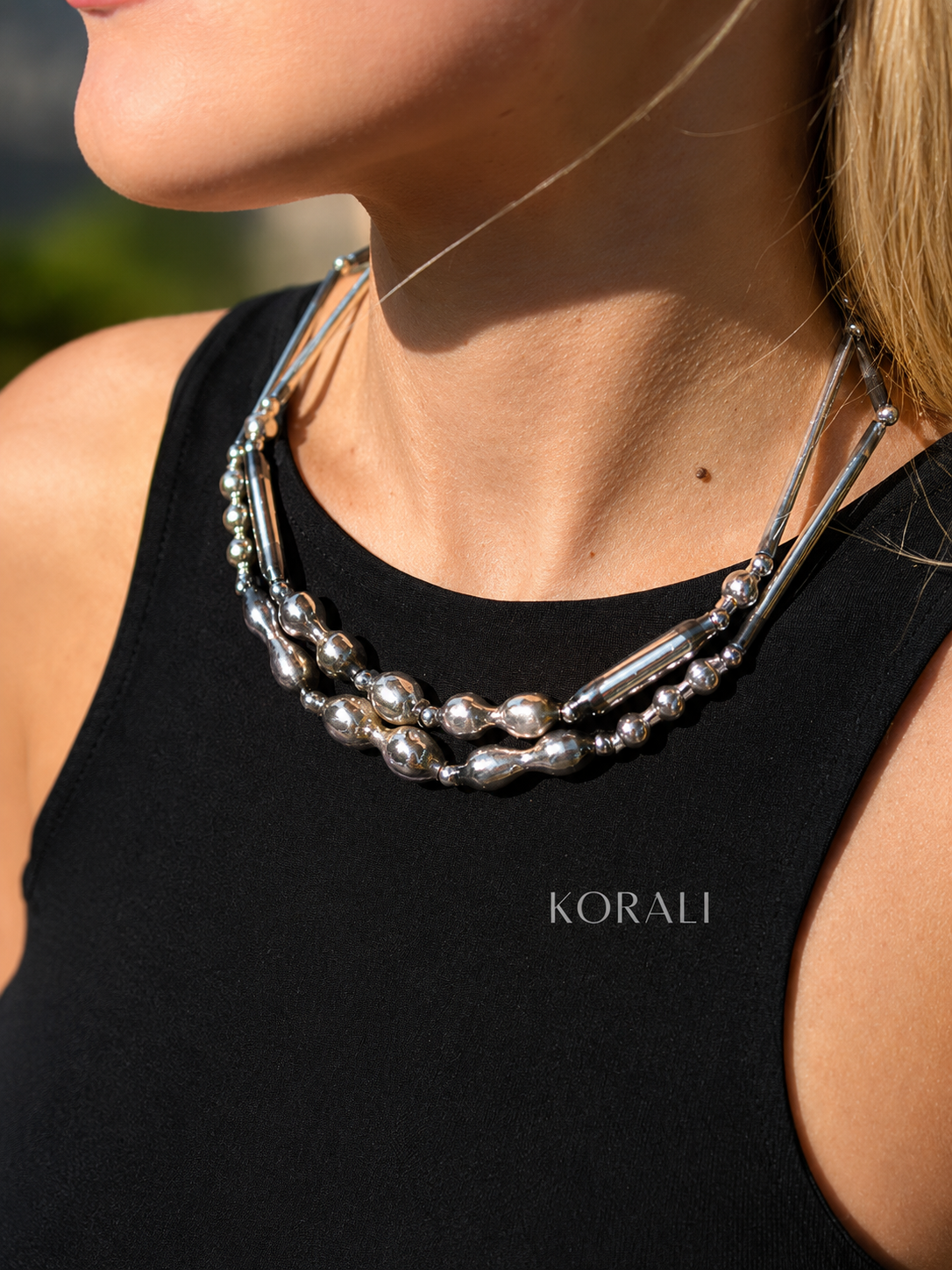
One of the greatest attractions of traditional Ukrainian glass jewelry was its extraordinary variety of colors. Red, white, green, blue, amber, black, silver, and transparent beads could all be found in traditional necklaces, either as monochrome designs or combined into vibrant compositions.
Glassmakers also experimented with different bead shapes, including:
- round beads;
- oval beads;
- elongated forms;
- faceted beads;
- drop-shaped elements;
- decorative painted beads.
The arrangement of the beads was equally important. Larger decorative elements were commonly positioned near the center of the necklace, while smaller beads gradually reduced in size toward the clasp, creating a harmonious silhouette.
Modern Luskavky continue this tradition while introducing contemporary color palettes and elegant metal accents that complement today's fashion.
How Were Glass Necklaces Worn?
Glass bead necklaces formed an essential part of traditional Ukrainian women's festive clothing. They were typically worn around the neck and upper chest, either on their own or together with other traditional ornaments.
Depending on regional customs, women combined glass necklaces with:
- coral necklaces;
- metal pendants;
- crosses;
- traditional beadwork;
- Zgardas and other regional jewelry.
Festive outfits often featured several necklaces layered together to create an elegant and richly decorated appearance. Everyday clothing, by contrast, usually included simpler combinations with fewer strands.
Glass necklaces beautifully complemented embroidered shirts, woven garments, and traditional outerwear, adding brightness and movement to the overall costume.
Why Have So Few Antique Luskavky Survived?
The delicate nature of hollow glass explains why relatively few original Luskavky have survived to the present day. Thin glass walls made the beads surprisingly lightweight but also vulnerable to accidental damage.
Broken necklaces were sometimes dismantled, with individual beads reused in other decorative objects or seasonal ornaments. As a result, authentic historical examples have become increasingly rare.
Today, well-preserved antique glass necklaces are valued by museums, collectors, and researchers as important examples of Ukrainian material culture and traditional craftsmanship.
Luskavky in Contemporary Fashion
Although inspired by history, modern Luskavky are designed for today's lifestyle. Contemporary artisans reinterpret traditional forms using new color combinations, improved clasps, and refined craftsmanship while preserving the recognizable layered silhouette.
These necklaces pair beautifully with embroidered Ukrainian shirts, linen dresses, minimalist outfits, tailored jackets, and elegant evening wear. Their timeless design allows them to complement both traditional and modern wardrobes.
For many people, wearing Luskavky is not only a fashion choice but also a meaningful way to celebrate Ukrainian culture, craftsmanship, and identity.
How to Choose the Right Luskavky
Choosing a handmade glass bead necklace depends on your personal style, the occasion, and the look you want to create. While every necklace is unique, a few simple guidelines can help you find the perfect piece.
Choose the Number of Strands
Single-strand necklaces offer a clean and minimalist appearance, making them ideal for everyday wear. Two-strand designs provide a balanced decorative accent, while three-strand Luskavky create a bold statement that pairs beautifully with embroidered clothing and festive outfits.
Consider the Color
The color of the glass beads greatly influences the character of the necklace. Transparent and white beads create an elegant, delicate look, while green, blue, red, or amber shades bring more vibrancy and contrast. Neutral tones are easy to combine with modern wardrobes, whereas bright colors become the centerpiece of an outfit.
Pay Attention to Bead Size
Larger beads produce a more dramatic visual effect, while smaller beads create a refined and understated appearance. Consider both the neckline of your clothing and the scale of other accessories you plan to wear.
Decorative Details
Some contemporary Luskavky include decorative metal accents or traditional dangling elements inspired by historical jewelry. These details add movement, texture, and individuality while preserving the spirit of Ukrainian craftsmanship.
If you would like to discover modern interpretations of this traditional ornament, explore the KORALI Luskavky collection, where handcrafted glass necklaces combine traditional inspiration with contemporary design.
How to Care for Glass Bead Necklaces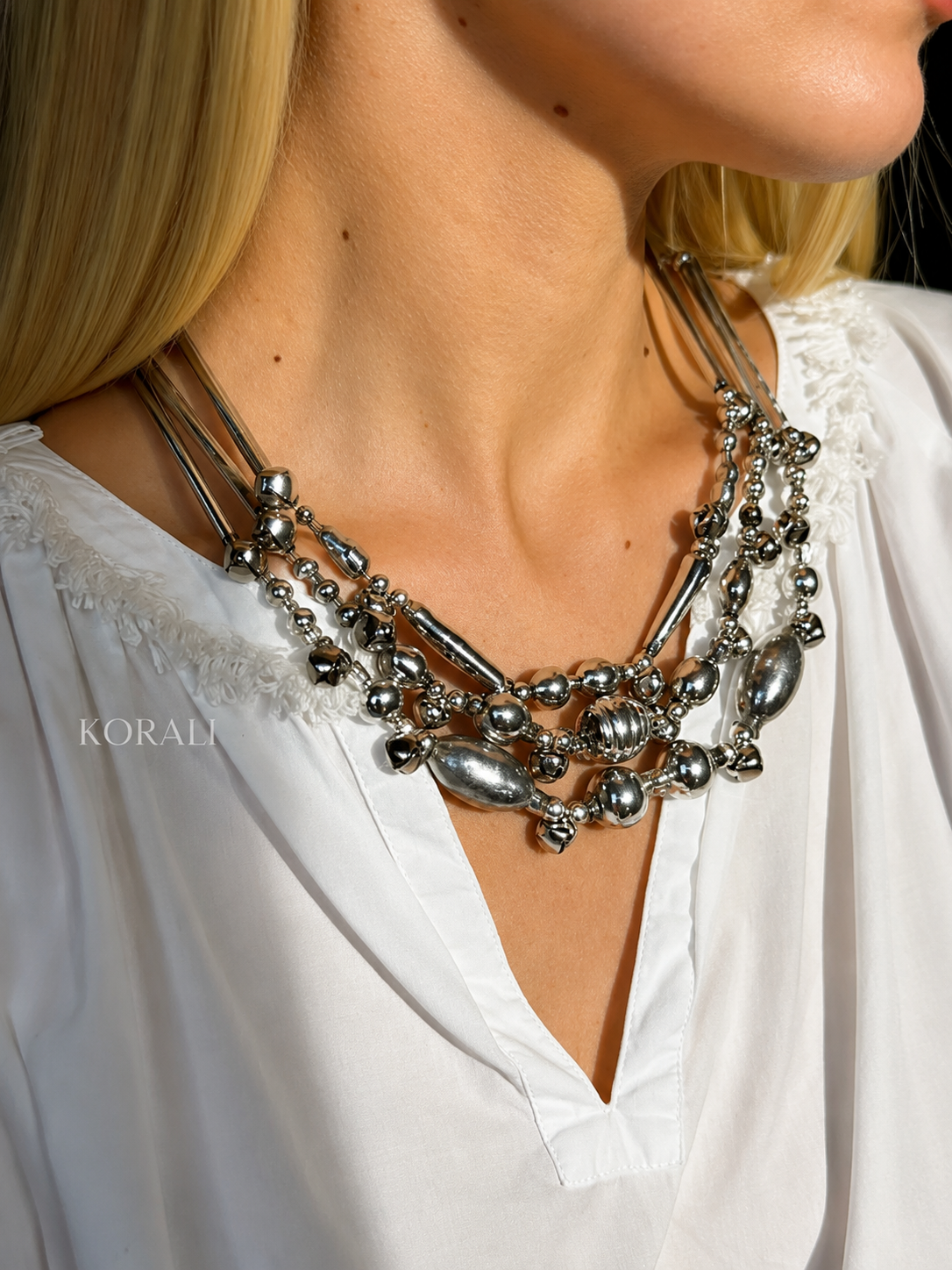
Although glass necklaces are durable enough for regular wear, proper care will help preserve their beauty for many years.
- Store each necklace separately to avoid scratches and tangling.
- Protect the beads from impacts and accidental drops.
- Avoid prolonged contact with water, perfumes, cosmetics, and household chemicals.
- Transport the necklace in a jewelry box or a soft protective pouch.
- Clean the beads gently with a soft, dry cloth.
Simple care habits will help maintain the brilliance of the glass and keep your handmade necklace looking its best.
The Revival of Traditional Ukrainian Glass Jewelry
Interest in traditional Ukrainian jewelry has grown significantly in recent years. More artisans are studying historical ornaments and creating contemporary designs inspired by authentic cultural heritage.
Rather than producing exact museum replicas, today's makers reinterpret traditional forms for modern lifestyles. New color combinations, improved construction, and carefully selected materials allow these necklaces to remain relevant while honoring their historical roots.
Modern Luskavky demonstrate that traditional craftsmanship can continue to evolve, connecting generations through beauty, creativity, and cultural identity.
Conclusion
Luskavky are far more than decorative accessories. They represent centuries of Ukrainian craftsmanship, regional traditions, and artistic expression preserved through handmade jewelry.
The rich history of glass bead necklaces—from Patsiorky and hollow glass beads to contemporary artisan creations—illustrates the remarkable diversity of Ukrainian decorative arts. Today, these necklaces continue to inspire designers and jewelry lovers around the world.
If you are looking for a handcrafted glass necklace inspired by Ukrainian tradition, browse the KORALI Luskavky collection. You may also enjoy reading our article Herdans: History, Types, and Modern Ukrainian Art to discover another iconic form of traditional Ukrainian jewelry.
Frequently Asked Questions
What are Luskavky?
Luskavky are traditional Ukrainian glass bead necklaces known for their layered design, lightweight construction, and distinctive handcrafted appearance.
What are Luskavky made of?
Historically, Luskavky were made from glass beads, including lightweight hollow glass beads and solid decorative glass elements.
What does the word "Luskavky" mean?
The name is commonly associated with the delicate nature of thin glass beads, although regional terminology varied throughout Ukraine.
What are Patsiorky?
Patsiorky is a traditional Ukrainian term for beads or bead necklaces and may refer to many different types of glass bead jewelry.
What are Naduvantsi?
Naduvantsi are hollow glass beads produced using traditional glass-blowing techniques, making necklaces both lightweight and visually impressive.
Are all Ukrainian glass necklaces called Luskavky?
No. Luskavky are one traditional type of Ukrainian glass bead necklace, while other regional names and variations also exist.
How should I style Luskavky?
Luskavky pair beautifully with embroidered shirts, linen dresses, minimalist clothing, tailored jackets, and elegant evening outfits.
How do I care for a glass bead necklace?
Store it separately, protect it from impacts, avoid water and chemicals, and clean it gently with a soft, dry cloth.
Are modern Luskavky authentic?
Modern Luskavky are contemporary handmade interpretations inspired by traditional Ukrainian glass jewelry rather than exact historical replicas.
Where can I buy handmade Luskavky?
You can explore handcrafted Luskavky inspired by Ukrainian traditions in the KORALI collection.